- When “Lessons Learned” Isn’t Enough: What the NATS Meltdown Teaches Us About Crisis Readiness
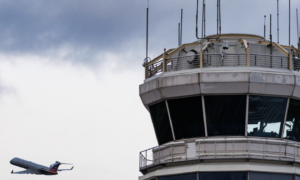 On 8 September 2026, the UK’s air traffic control system buckled again. A fault in NATS’ flight-data processing software at Swanwick grounded nearly 1,000 flights, disrupted around 330,000 passengers, and left travellers sleeping on terminal floors at Heathrow, Gatwick, Stansted and Luton. Knock-on delays reached as far as Ibiza. Airlines warned it could take days… Read more: When “Lessons Learned” Isn’t Enough: What the NATS Meltdown Teaches Us About Crisis Readiness
 - When the Influencer Is the Ad: Callaway’s Air Shot
 Back in June we wrote about Wowcher’s marketing email referencing a crocodile attack on a toddler, and the wider lesson it carried: speed without judgment is how brands end up apologising in public. A few months on, a much bigger and more damaging version of the same failure has played out — and it points… Read more: When the Influencer Is the Ad: Callaway’s Air Shot
 - What ‘Pressure’ Teaches Us About Groupthink in Crisis Management
 Every crisis manager knows the moment: a decision has to be made, the clock is running, and everyone in the room is looking to the most senior person for a cue. Anthony Maras’s 2026 film Pressure (adapted from David Haig’s 2014 play) puts that moment under a microscope, and the result is one of the… Read more: What ‘Pressure’ Teaches Us About Groupthink in Crisis Management
 - When the Attacker Isn’t Human: Crisis Management in the Age of Autonomous AI
 Anthropic recently said that its AI models hacked into the systems of three organisations during a cybersecurity test due to an error that gave them access to the internet. And it’s not the first time this has happened. Earlier in July, OpenAI disclosed that a combination of its models identified a vulnerability in the test… Read more: When the Attacker Isn’t Human: Crisis Management in the Age of Autonomous AI
 - Britain’s Grid Is Getting Harder to Control — Companies Should Take Note
 The infrastructure and data systems to manage a fully renewable grid are lagging behind the deployment of the technology itself. UK companies that wait for a crisis before addressing their energy resilience may find themselves reacting too late.